

Author: Sahin Elkhanoglu

Washington has expectations from Central Asia

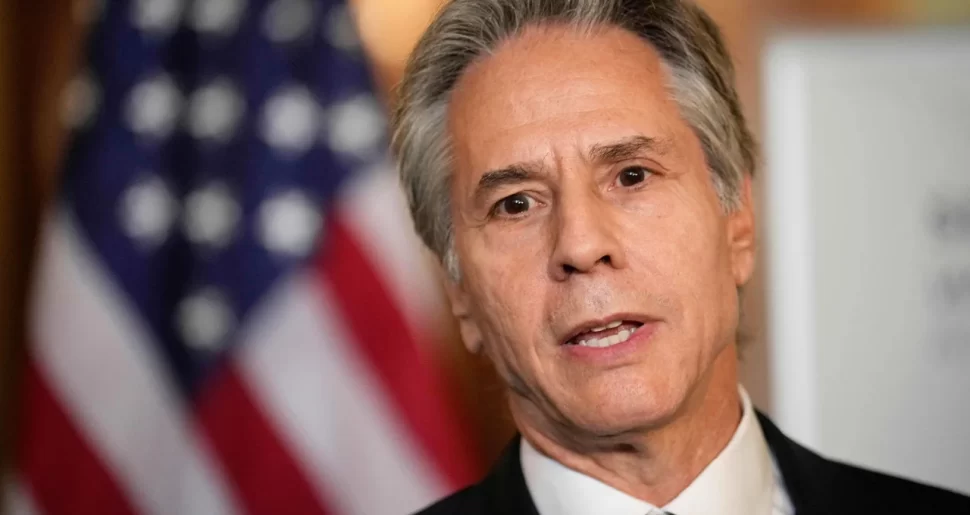
Before the meeting of foreign ministers of the "big 20" in India, the ministers of rival countries visited each other in different places. Russian Foreign Minister Sergey Lavrov arrived in Baku on February 27, and from there he attended the meeting in Delhi. US Secretary of State Anthony Blinken went to Delhi after visiting Central Asian countries.

Anthony Blinken participated in the 5+1 format meeting in Central Asian countries. In addition to Blinken, the foreign ministers of 5 Central Asian countries participated in this meeting. This format has been operating since 2015. Blinken also met with the presidents of Kazakhstan and Uzbekistan and exchanged wide views on the expansion of relations.

The main goal of Washington's cooperation with this region is to reduce the influence of Russia and China in Central Asia. However, in order to achieve this, US investments in Central Asian countries should increase. Otherwise, it will not be possible to suppress Russia and China in the region. There are several factors working in favor of Russia and China.

Firstly, Millions of citizens of Central Asian countries work as cheap labor in Russia and send their earnings home. That finance has a certain share in the budgets of Central Asian countries.

Second, The pipelines of several Central Asian countries pass through Russia. Kazakhstan transports its oil, and Turkmenistan's gas, through pipelines passing through Russia to Dumya markets. It is true that at this time, Russia also dictates the conditions to Kazakhstan and Turkmenistan. Kazakhstan and Turkmenistan also have energy cooperation with China.

thirdly, China has invested billions of dollars in Central Asian countries. Central Asian countries have huge debts to China. In exchange for these debts, Beijing tries to dictate terms to those countries in a number of cases.

Nevertheless, Washington informs Central Asian countries about the threat of Russia and China. For example, Anthony Blinken mentioned Russia 10 times during his press conference in Astana and called this country an aggressor each time. Blinken also said at the press conference that he supports the reform program of Kazakhstan President Tokayev.

Although Blinken did not name China at the press conference, he urged his Central Asian colleagues to be careful in their relations with Beijing in closed meetings. In 2023, China increased its military budget by 7 phases. This is equivalent to about 225 billion dollars.

Beijing has linked the increase in military spending to the challenges it faces. Obviously, it is about the rising tension around Taiwan. However, there is tension in China's relations with Taiwan and the US as well as neighboring countries. Because of this, Beijing has increased its military spending. There is no tension in Beijing's relations with Central Asian countries. Nevertheless, China's growing military power is also closely watched by Central Asian countries.

"Atlas" Research Center
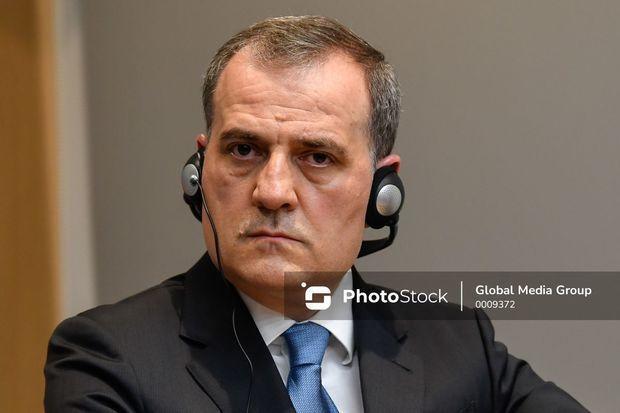
Ceyhun Bayramov Misirə niyə dəvət olunmadı?

Ermənistan xarici işlər naziri Ararat Mirzoyan Misirin paytaxtı Qahirədə Ərəb Dövlətləri Liqası Şurasının nazirlər səviyyəsində keçirilən iclasında iştirak edib. Ararat Mirzoyan ərəb dövlətlərinin nazirləri qarşısında Azərbaycan əleyhinə çıxış edib, Ermənistanın müsəlman aləmi ilə sıx əlaqələrindən danışıb. Ərəb nazirlərdən biri ona sual verməyib ki, Ermənistan İslam dininə bu qədər hörmət edirsə, Qarabağdakı məscidləri niyə dağıdıb? Başqa suallar da aktualdır: Ərəb Dövlətləri Liqasının xarici işlər nazirlərinin toplantısına xristian Ermənistan dəvət olunduğu halda müsəlman Azərbaycan niyə dəvət olunmayıb? Axı ərəb dövlətləri arasında Azərbaycanı dost və tərəfdaş adlandıranlar az deyil. Misal üçün Ərəb Dövlətləri Liqasının 31-ci zirvə toplantısı 2022-ci ilin noyabrın 1-də Əlcəzairdə keçirilmişdi. Azərbaycan Prezidenti İlham Əliyev zirvə toplantısına ev sahibliyi edən Əlcəzair prezidenti Abdelmacid Tebbunun dəvəti ilə tədbirin açılış mərasimində fəxri qonaq statusunda iştirak etmişdi. İlham Əliyev zirvə toplantısındakı çıxışında Ermənistanın içğalçı siyasəti barədə məlumat vermişdi.
Misir ev yiyəsi kimi Ararat Mirzoyanı toplantıya dəvət etdiyi halda Azərbaycanın xarici işlər naziri Ceyhun Bayramovu niyə dəvət etməyib? Axı Misirin prezidenti Əbdülfəttah Əs-Sisi yanvar ayının sonunda Azərbaycana səfər etmişdi. Doğrudur, Ceyhun Bayramov fevralın 12-də Qahirəyə işgüzar səfər edib və orada Qoşulmama Hərəkatının sədri qismində Ərəb Dövlətləri Liqasının “Qüds şəhəri və onun əhalisinə dəstək” mövzusunda beynəlxalq konfransda iştirak edib. Ancaq Ərəb Dövlətləri Liqasının xarici işlər nazirlərinin toplantısında iştirak da vacibdir.
Azərbaycanla Ermənistan arasında informasiya savaşı da gedir. Ermənistan harda mümkündür Azərbaycan əleyhinə təbliğat aparır, dezinformasiyalar yayır. Diplomatiyamız fəallığı artırmalı, qonşu ölkənin manevr imkanlarını məhdudlaşdırmalıdır.

İrana səfəri təxirə salın!

Ötən ilin noyabrında yazmışdım ki, Azərbaycan vətəndaşlarının indiki həssas məqamda İrana səfərləri məqbul deyil, təxirə salmalarına ehtiyac var. Mən bunu yazanda Azərbaycanın İrandakı səfirliyinə hələ hücum olmamışdı. İki ölkə arasındakı münasibətlər ötən ilkindən də gərgindir. İranda Azərbaycan vətəndaşının müəammalı şəkildə yoxa çıxması yenidən bu mövzunu aktuallaşdırıb. Quru sərhəd qapalı olsa da, təyyarə reysləri mövcuddur, üstəgəl Gürcüstan üzərindən də İrana gedənlər haqqında məlumat var. İranda sentyabr ayından başlayan küçə yürüşləri və etirazlar davam edir. İrandakı rejim baş verənlərdə “xarici iz” axtarır, şübhələndikləri istənilən xarici ölkə vətəndaşını həbs edirlər. Bu mənada Azərbaycan Xarici İşlər Nazirliyinin bir daha İrana səfərin təhlükəli olmasıyla bağlı vətəndaşlara müracət etməsinə ehtiyac var.

Washington is in favor of direct negotiations

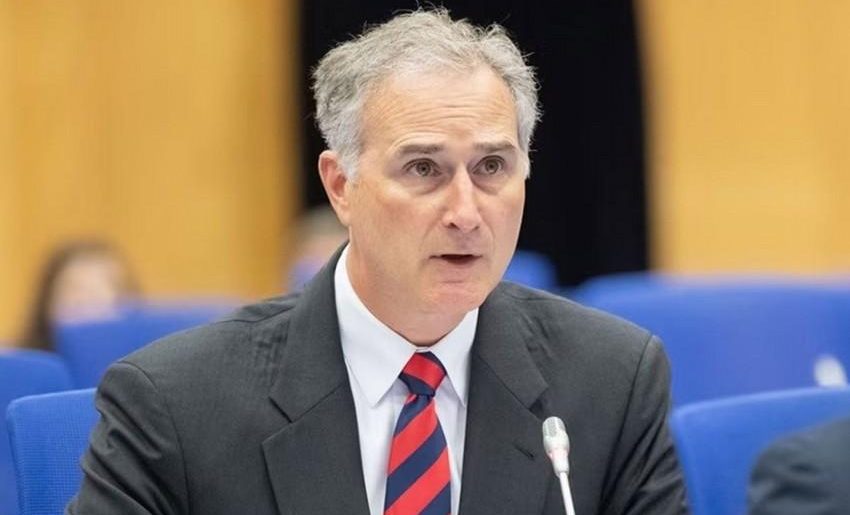
Louis Bono, the US State Department's chief adviser on Caucasus negotiations, has concluded his visit to the region. He met with President Ilham Aliyev in Baku and Prime Minister Nikol Pashinyan in Yerevan and exchanged views. After finishing the meetings, Bono expressed the opinion that "we want Azerbaijan and Armenia to prepare the text of the peace treaty themselves." Bono believes that a positive result will be achieved as a result of direct dialogue: "Because any long-term, sustainable and balanced peace is possible only with the efforts of both sides."

Washington, in the language of Bono, proposed to expand the dialogue between Baku and Yerevan without intermediaries. There are currently 3 mediators. This is Moscow, Brussels and Washington. Negotiations have been going on for two years in different formats, but there is no result. Recent history shows that direct negotiations have not resulted in short-term and long-term solutions to various conflicts. Mostly impartial mediators play an important role in conflict resolution. For example, the tension between Serbia and Kosovo has been going on for years. Direct contacts were unsuccessful. Between these two, there are two main mediators - Washington and Brussels. Currently, both Kosovo and Serbia are on the verge of agreeing to the EU settlement plan. If there is peace, both of them will become members of the European Union.

Nevertheless, the American diplomat does not see any harm in direct dialogue between Azerbaijan and Armenia. Both sides can form a permanent working group and that group can discuss various issues on a permanent basis in Tbilisi. This can have a positive effect on the overall result.

Brussels does not object to the control of the road to Lach

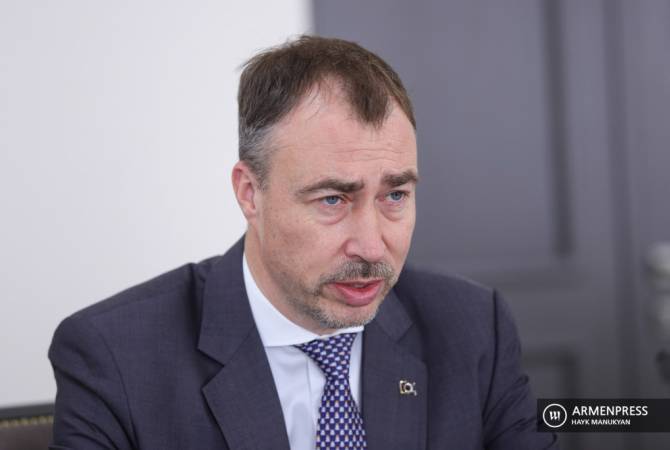
The special representative of the European Union for the South Caucasus, Toivo Klaar, in his interview with the "APA" agency, touched on a number of issues, and it is necessary to highlight two of them.

First, the representative of the European Union said that the idea of ensuring transparency about what is transported on the Lachin road is completely legitimate: "We do not want products that increase the tension on the Lachin road to be transported, used for any military or illegal purposes. "Transparency is absolutely legal." Louis Bono, the chief advisor of the US State Department on Caucasus negotiations, expressed almost the same opinion after the meeting with Ilham Aliyev in Baku. In other words, Brussels and Washington do not object to the establishment of a checkpoint on the Lachin road of Azerbaijan, they consider it a natural right of Azerbaijan.

Secondly, the representative of the European Union gave a positive answer to the question "Do you have contact with Russian officials regarding the process in the Caucasus?" , I have also discussed this. In other words, there are contacts."

Why did Klaar's answer attract attention? Because Russian Foreign Minister Sergey Lavrov and his spokesperson Maria Zakharova are constantly expressing opinions such as "The European Union is engaged in mysterious activities in the South Caucasus" and "Brussels wants to suppress Russia in the region". However, it can be understood from Klaar's words that the European Union regularly informs Moscow about its mediation between Azerbaijan and Armenia, despite imposing strict sanctions against Russia for waging an aggressive war against Ukraine. Lavrov and Zakharova have not spoken a single sentence about Brussels' contacts with them regarding this issue.

Belarus faces a difficult choice

Ukraine and Western countries were worried about the President of Belarus Alexander Lukashenko. Kyiv and the capitals of Western countries believe that Lukashenko will join the invasion of Ukraine. Because Russian President Vladimir Putin's pressure on Lukashenko has increased. Putin wants Lukashenko to open a second front against Ukraine. The owner of the Kremlin visited Minsk for this purpose some time ago.

Alexander Lukashenko does not want his country to participate in the war. The society, army and generals of Belarus are also of the opinion that the war against Ukraine does not concern them. However, Belarus is economically and politically dependent on the Kremlin. For this reason, it is difficult for Lukashenko to say "no" to Putin every time. Unlike Russia, the Belarusian embassy in Ukraine continues to operate. With this, Kiev sends a message to Minsk that despite the disagreement, they are ready to continue their contacts with Belarus. However, if Minsk joins the war with Russia, Ukraine will have to fight against Belarus.

Meanwhile, Alexander Lukashenko visited China and met with the leader of this country, Xi Jinping. Lucasheno had several goals for this trip.

Firstly, Alexander Lukashenko indicated that he supports China's position on the issue of Ukraine. He stressed that he supports Beijing's 12-point proposal. Some time ago, China sent a 12-point package of proposals to Russia and Ukraine to end the war. Although the proposals were not accepted, they were supposed to strengthen the image of Beijing as a pro-peace. Although China acts as a strategic partner of Russia, it supports the territorial integrity of Ukraine.

Second, Alexander Lukashenko is trying to strengthen economic relations with China. Lukashenko wants China to increase its investments in Belarus. With this, Lukashenko hopes to reduce his economic dependence on Russia. However, the ongoing war with the neighborhood does not create a fertile ground for China to increase its investments in Belarus. Beijing has made large investments in the countries of Central Asia, and it is difficult to do the same for Belarus. The Russia-Ukraine war must stop so that Beijing can decide to invest in Belarus.

Western countries have sanctions against Belarus as well as Russia. There is also tension in US relations with China. Washington and Brussels warned Beijing that China should not sell arms and military equipment to Russia. Beijing has not decided. China's main trading partners are in the West. Therefore, Beijing wants the war in Ukraine to end as soon as possible. However, Beijing cannot influence Moscow. In this sense, Beijing can directly convey its message to Moscow and use the mediation of the Belarusian president. In any case, the Russia-Belarus-China political alliance will not please the West, and this factor will create additional problems in Beijing's relations with Western countries.

"Atlas" Research Center
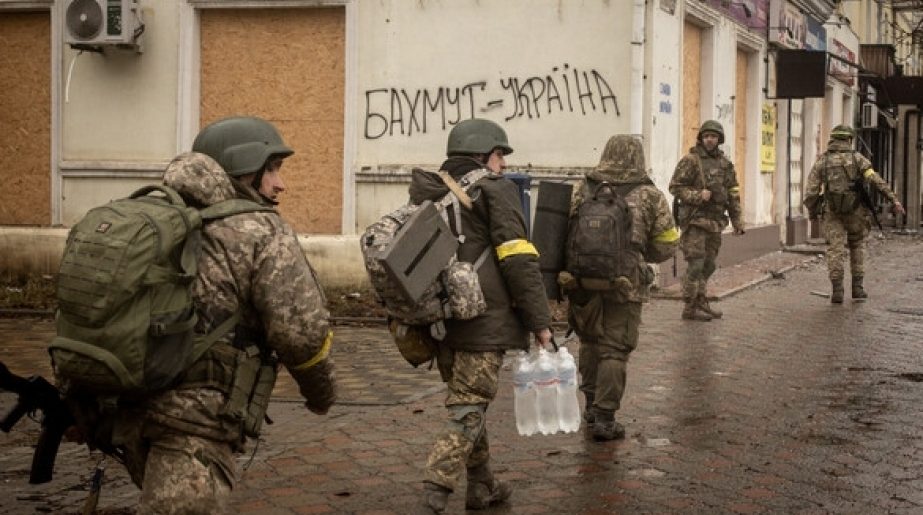
Bakhmut does not give up

The battles for the Ukrainian city of Bakhmut are reminiscent of the battles for Stalingrad during the Second World War. Russia and Ukraine are fighting a life and death battle for the small town of Bakhmut. By occupying this city, Russia plans to expand its offensive into the interior of Ukraine and seize transport routes. For this very reason, Ukraine is trying to defend the city of Bakhmut until the end and reduce the number of Russian losses in this direction. Although Russia actually occupied half of the city, Bakhmut suffered thousands of casualties and many military equipment became unusable. "Wagner" mercenary group, which took part in the occupation of the city, also suffered significant losses. The head of "Wagner" Prigozhin fears that the Ukrainian army will carry out a counter-offensive operation from the right and left of the city.

Washington suggested to Ukrainian President Volodymyr Zelensky to withdraw from Bakhmut and strengthen the defense system abroad. Zelensky refuses to accept Washington's offer and does not want to hand over Bakhmut. The logic of Zelensky and the Ukrainian generals is that it is necessary to increase Russia's demand for personnel and military equipment in Bakhmut as much as possible so that the potential of the army is weakened and exhausted. On the other hand, Zelensky and the generals decided that it is necessary to continue fighting for the city. The possibility remains that Bachmuth will be repelled by a counterattack. However, if the situation becomes more tense for the Ukrainian army, there is also a plan to withdraw and strengthen the defense of the city at the last moment.

Washington does not object to the control of Lach's road

Rusiya xarici işlər naziri Sergey Lavrov Bakıda mətbuat konfransında Azərbaycanın Laçın yolunda nəzarət-buraxılış məntəqəsibnin yaradılmasıyla bağlı suala belə cavab demişdi ki, “tərəflər 2020-ci il 10 noyabr bəyanatına zidd addımlar atmamalıdırlar”. Yəni Lavrovun yanlış məntiqinə görə, Azərbaycan Laşçın yolunda nəzarət-buraxılış məntəqəsi yarada bilməz. ABŞ Dövlət Departamentinin Qafqaz danışıqları üzrə baş müşaviri Lui Bono isə bu gün Bakıda bildirib ki, ABŞ Azərbaycanın Laçın yolunda təhlükəsizliklə bağlı maraqlarını anlayır. Yəni amerikalı diplomat Laçın yolunda nəzarət-buraxılış məntəqəsinin yaradılmasının Azərbaycanın müstəsna hüququ olduğunu bildirib. ABŞ dövlət katibi Entoni Blinken də eyni mövqedədir. Brüssel də Laçın yolunda nəzarət-buraxılış məntəqəsinin yaradılmasına etiraz etməyəcək.

The purpose of Klaar's visit to Baku is to determine the date of the meeting

Azərbaycan prezidenti İlham Əliyev martın 6-da Avropa İttifaqının Cənubi Qafqaz üzrə xüsusi nümayəndəsi Toivo Klaarla görüşüb. Bundan əvvəl Tovio Klaar İrəvanda baş nazir Nikol Paşinyanla görüşüb. Klaar İrəvana və Bakıya xüsusi missiya ilə gəlib. Avropa İttifaqının rəhbəri Şarl Mişel Azərbaycan və Ermənistan liderlərinin Brüsseldə növbəti görüşünü təşkil etmək istəyir və nümayəndəsini ona görə bölgəyə göndərib. Liderlərin görüş tarixi müəyyənləşdirilməlidir. Rəsmi Bakının yeganə şərti görüşün üçlü formatda keçirilməsi, Fransa prezidenti Emmanuel Makronun müzakirələrə qatılmamasıdır. Əslində Brüsselin vasitəçiliyi ilə liderlərin beşinci görüş ötən ilin dekabrında olmalıydı. Nikol Paşinyan “görüşdə Makron da iştirak etməlidir” tələbini səsləndirdikdən və Şarl Mişel buna səssiz qaldıqdan sonra İlham Əliyev görüşdən imtina etdi. Şarl Mişel Makronun iştirakı tələbinin Brüsselin vasitəçiliyinə son qoyacağını və bundan Rusiyanın istifadə edəcəyini anladığından üçlü görüş modelinə qayıdıb. Şarl Mişel böyük ehtimalla buna Paşinyanı da razı salıb, əks halda görüş yenə baş tutmayacaq.

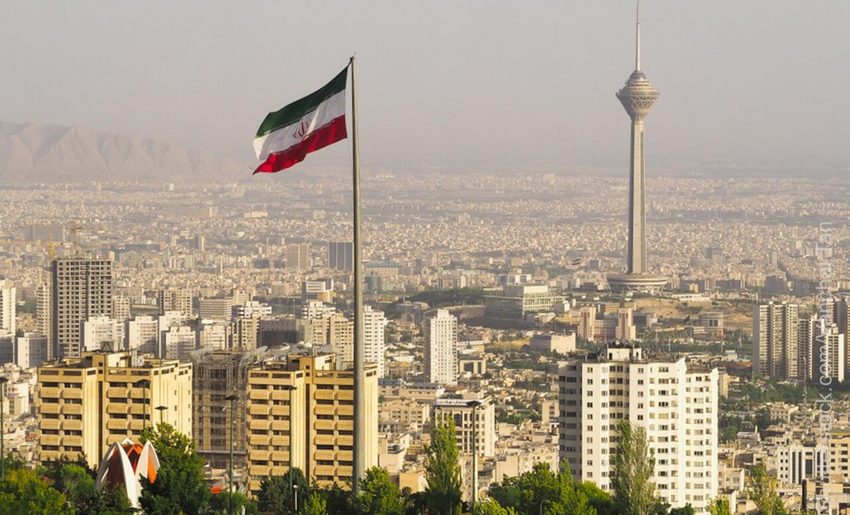
Iran has approached 90 percent

İran uranın zənginləşdirilməsini 84 faizə çatdırıb. Bununla Tehran nüvə silahını hazırlamağa xeyli yaxınlaşıb. Nüvə silahını əldə etmək üçün uranın 90 faizə qədər zənginləşdirilməsi lazımdır. Bu rəqəmə çatmaq üçün Tehrana heç nə mane olmur. Halbuki, İranın “altılıq” (ABŞ, Rusiya, Fransa, Böyük Britaniya, Çin və Almaniya) ölkələrlə 2015-ci ildə imzaladığı sazişə görə, Tehran mülki məqsədlər üçün uranı 3.67 faizə qədər zənginləşdirəcəyini vəd etmişdi. Ancaq ABŞ-ın keçmiş prezidenti Donald Tramp Ağ Evə yiyələnən kimi həmin 2018-ci ildə sazişdən imtina edərək İrana qarşı sanksiya siyasətinə qayıtdı. Bunun qarşılığında Tehran da sazişdən imtina edərək uranın zənginləşdirilməsinə başladı. Tehran iddia edir ki, uranı 60 faizə qədər zənginləşdirib, ancaq kəşfiyyat məlumatlarına əsaslanan Qərb ölkələri buna inanmırlar.

Hadisələrin bu istiqamətdə inkişafı ən çox İsraili narahat edir. İsrail illər boyu Qərb ölkələrini Tehrana inanmamağa çağırıb. İsrail İranın nüvə silahı əldə etməsinə seyrçi qalmayacağını bəyan edib. Çünki Tel-Əviv bilir ki, İranın nüvə silahı İsrailə tuşlanacaq. İsrailin baş naziri Benyamin Netanyahu bir neçə gün əvvəl ABŞ dövlət katibi Entoni Blinkenlə İranın nüvə silahı mövsuzu ətrafında fikir mübadiləsi aparıb. Blinken özü də bu mövzunu Münhen Təhlükəsizlik Konfransında avropalı tərəfdaşlarıyla müzakirə edib. Məsələ burasındadır ki, İrandakı dairələr uranın zənginləşdirilməsinin indiki rəqəmləri ilə də nüvə silahı əldə edə bilərlər. Misal üçün ABŞ-ın 1945-ci ildə Yaponiyanın şəhərlərinə atdığı atom bombaları uranın 80 faiz zənginləşdirilməsindən əldə edilmişdi.

Tehran nüvə silahı əldə edilməsində özündə sərbəst hiss edir. Tehran hesab edir ki, nüvə sazişi pozulduğuna görə heç bir dövlət onu ittiham edə bilməz. O biri tərəfdən ABŞ-la yanaşı Avropa İttifaqının da İrana qarşı sanksiyaları sərtləşib. Brüssel bir neçə gün əvvəl İranın 32 fiziki və 2 hüquqi şəxsini sanksiyalar siyahısına əlavə edib. Həmin şəxslər İranda insan hüquqlarının pozuntusunda ittiham edilirlər. Bu sanksiyaların İranın nüvə silahına yiyələnməsi çalışmaları ilə əlaqəsi olmasa da, Tehranla Qərb arasında artan gərginlikdən xəbər verir.

İranın uranı zənginləşdirmək çalışmalarını tərəfdaşları Rusiya və Çini narahat etmir. Adətən nüvə dövlətləri ətraflarında özləri kimi nüvə dövlətlərinin artmasını istəmirlər. Ancaq Moskva və Pekin Tehrana mane olmurlar. Əksinə, Tehran Rusiyaya silah və sursat göndərir, Çinlə isə iqtisadi əlaqələri genişləndirir. İran lideri İbrahim Rəisinin bir neçə gün əvvəl Çinə səfərini hər iki tərəf uğurlu adlandırıb. Çin İrana yüzmilyardla dollar yatırım qoyacağını vəd edib. Moskva və Pekin İran məsələsində “düşmənimin düşməni mənim dostumdur” prinsipindən çıxış edirlər.

"Atlas" Research Center


About us

"Atlas" Research Center was founded in Baku in 2003 by a group of political experts. The head of the center is political analyst Elkhan Sahinoglu.

Counter

Login
Today
Umumi 1407151
en_USEN