
Category: Reports

Pekin hansı təbliğat vasitələrindən istifadə edir?

Hazırda Avstraliyada yaşayan keçmiş çinli tarixi professoru Li Yuanhua Pekinin qlobal təbliğat səylərini “gülləsiz müharibə” kimi təsvir edib. Bu kampaniya tanklara və ya raketlərə arxalanmır. Əvəzində o, xaricdəki cəmiyyətlərə sızmaq, qavrayışları formalaşdırmaq və daxildə hakimiyyəti gücləndirmək üçün hekayələr, senzura və manipulyasiya tətbiq edir. Bu, sadəcə inandırmaq üçün deyil, nəzarət etmək üçün nəzərdə tutulmuş, həqiqətə qarşı ləng, amansız bir hücumdur.

Pekin özünü daxili narazılıqdan və beynəlxalq nəzarətdən qorumaq üçün təbliğatdan istifadə edib. Lakin Si Cinpin dövründə Çin Kommunist Partiyası təbliğatı transmilli silaha çevirərək, xarici medianı, elmi, texnologiyanı və hətta mədəniyyəti hədəfə alıb. Bu, qansız müharibədir, lakin nəticələri hər hansı silahlı münaqişə kimi sabitliyi pozur. Bu strategiya vasitəsilə Pekin qlobal normaları yenidən müəyyənləşdirməyə, insan haqları vəziyyətini açıq şəkildə tənqid etməyə və öz geosiyasi imkanlarını genişləndirməyə çalışır, eyni zamanda demokratik cəmiyyətlərdə məlumatın sərbəst axınını pozur.

Çin Kommunist Partiyasının təbliğat maşını Çinin sərhədləri ilə məhdudlaşmır. Li, ÇKP-nin media hücumları vasitəsilə həyata keçirdiyi transmilli repressiyasını “ideoloji sızma kampaniyası” kimi təsvir edib. Pekin müxtəlif istiqamətlərdə  göstərir, xarici cəmiyyətlərə dərin nüfuz edən təsir şəbəkəsi yaradır. “Sinhua” və digər dövlət mediası xaricdə fəaliyyətlərini genişləndirərək, jurnalistika adı altında müxtəlif dillərdə parlaq məzmun təklif edir. Bu nəşrlər özlərini qanuni xəbər təşkilatları kimi təqdim etsələr də, Kommunsit Partiyasının ruporları kimi fəaliyyət göstərirlər. Pekin təbliğatı gücləndirmək üçün məzmun sindikasiyası strategiyasından istifadə edir. Li qeyd edib ki, Kommunits Partiyası illər ərzində özünü Qərb media dairələrinə daxil etmək üçün sərf edib, tədricən xaricdəki jurnalistləri öz məqsədləri üçün cəlb etmək sənətinə yiyələnib. Ödənişli reklamlardan və müxtəlif rəylərdən istifadə etməklə yanaşı, o, rejimin ailə bağları və ya istismar oluna biləcək zəifliklər kimi “təzyiq nöqtələrini” araşdıraraq, jurnalistlərin şəxsi məlumatlarını da topladığını söyləyib. Linin sözlərinə görə, narahatedici bir tendensiya yaranır: Qərbdəki media peşəkarlarına Çində ciddi senzura altında qalan mövzular haqqında hekayələrə toxunmamaq tapşırığı verilir. Bununla onlar Pekinə beynəlxalq diskurs üzərində nəzarətini genişləndirməyə effektiv imkan verir. Son aylarda “The New York Times” Nyu-Yorkda yerləşən rəqs qrupu Falun Gong və Shen Yun Performing Arts-a hücum edən ondan çox məqalə dərc edib. Li əlavə edib ki, oxşar nümunələr digər ölkələrdə də müşahidə oluna bilər. Avstraliya və Yeni Zelandiyadakı media orqanları da Pekinin ritorikasını təkrarlayaraq Shen Yun-a qarşı təhqiramiz yazılar dərc ediblər. Afrika, Latın Amerikası və hətta Avropadakı yerli qəzetlər tez-tez Çin dövlət mediası tərəfindən hazırlanan xəbərlərə yer verir və təbliğatı neytral reportaj kimi kamuflyaj edir. Eyni zamanda, Pekin xaricdə “dost səslər” yetişdirir – akademiklər, biznes liderləri və onun danışıq nöqtələrini təkrarlamaq istəyən siyasətçilər. Bu vəkillər çox vaxt Çin bazarlarına çıxış, tədqiqat üçün maliyyə və ya dəbdəbəli konfranslara dəvətlərlə mükafatlandırılır. Məqsəd legitimliyin əks-sədası kamerası yaratmaqdır ki, Çinə simpatik baxışlar əlaqələndirilmiş manipulyasiyadan daha çox üzvi şəkildə yaranır. Dövlətlə əlaqəli hesablar Twitter, Facebook və YouTube-u tənqid edənlərə hücum edərkən Çinin idarəetmə modelini tərifləyən məzmunla dolur. 2019-cu ilin Honq-Konq etirazları zamanı Twitter (indiki X) Çin dövlət aktyorları ilə əlaqəli yüzlərlə hesabı müəyyən etdi, bunların hamısı nümayişçiləri “xarici qüvvələr” tərəfindən manipulyasiya edilən zorakı iğtişaşçılar kimi təsvir etmək üçün hazırlanmışdır. Çinin ByteDance şirkətinə məxsus TikTok başqa bir narahatedici ölçüdür. Şirkət müstəqil fəaliyyət göstərdiyini israr etsə də, məzmuna alqoritmik qərəzlilik barədə hesabatlar üzə çıxmağa davam edir. Pekinin Sincan və ya Tibetdə insan haqları pozuntularını tənqid edən videolar tez-tez izahat verilmədən yoxa çıxır, eyni zamanda Çinin nailiyyətlərini gücləndirən məzmun təbliğ olunur. Çinin təbliğat səyləri təkcə media və texnologiya ilə məhdudlaşmır. Universitetlər və mədəniyyət müəssisələri kritik döyüş meydanına çevrilib. Çin dili və mədəniyyətinin təbliği üçün nəzərdə tutulan mərkəzlər olan Konfutsi İnstitutları vasitəsilə Çin Kommunist Partiyası özünü bütün dünya universitetlərində yerləşdirib.

Pekinin həssas hesab etdiyi mövzulardan – Tibet, Tayvan, Honq Konq və Tiananmen Meydanı qırğınlarından qaçmaq üçün tez-tez ev sahibi təşkilatlara təzyiq göstərirlər. Pekinin xəttinə etiraz edən professor və tələbələr təzyiqlə üzləşirlər, universitetlər isə Çinin sui-istifadələrinin açıq müzakirəsinə icazə versələr, maliyyə vəsaitlərini itirmək riski ilə üzləşirlər. Hollivud da diqqət mərkəzindədir. Böyük studiyalar tez-tez Çin hakimiyyətinin tələblərinə uyğun olaraq ssenariləri dəyişdirərək özünü senzura edirlər. Çini tənqid edən səhnələr silinir, Çin mənşəli mətnlər yenidən yazılır və Tayvan və ya Tibetlə bağlı hər hansı istinadlar ekrandan silinir.
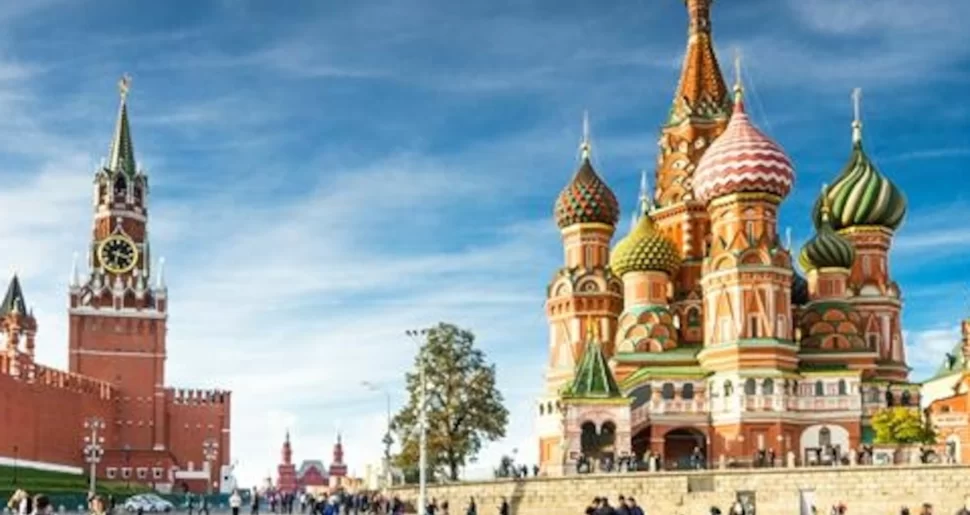
Russia has been removed from the list of partners

The Kremlin's war of aggression against Ukraine has alienated many countries from partnering with Russia. One of these countries is Japan. Tokyo no longer considers Moscow a partner. However, under former Japanese Prime Minister Shinzo Abe, partnership with Russia was one of Tokyo's top foreign policy priorities. However, after the annexation of Crimea and the war of aggression against Ukraine, Tokyo's position changed.
In the new national security strategy adopted by Japan, Russia has been excluded from the list of partner countries. "Russia's war of aggression against Ukraine is a flagrant violation of the law. This policy is a serious blow to the international order" - this sentence was included in the new national security strategy. The continuation of the uncertain situation regarding the Kuril Islands has also had a negative impact on the relations between Tokyo and Moscow. Land concessions are prohibited in the new Constitution of Russia. This means that the future presidents of Russia will not return the Kuril Islands to Japan. Therefore, Japan will not be able to sign a peace treaty with Russia. Japanese Prime Minister Fumio Kisida confirmed the current situation in his statement on December 2: "Japan-Russia relations remain tense. In this situation, I do not see the prospect of negotiations for the signing of a peace agreement between the two countries." The tension of the relations was also caused by the harsh statements of the Russian officials towards Tokyo. For example, the Deputy Chairman of the Russian Security Council, Dmitry Medvedev, in his statement on December 11, assessed Japan as a country that "bows down to Nazism" like Western countries.
Nevertheless, in the national security strategy, China is indicated as the main source of danger for Japan. In the strategy, along with Russia, China's policy is assessed as a threat to the international order. Defense fortifications will be increased in the part of Japan's coast close to China. Tokyo will start production of new generation fighter jets. In addition, Japan, together with Great Britain and Italy, planned to produce unmanned military aircraft by 2035.
In Japan's new strategy, the importance of a counter-attack against a dangerous country is emphasized. However, after the Second World War, Japan avoided military rhetoric. Washington's military control over defeated Japan was strong. Currently, Washington itself is advising Tokyo to increase its military spending due to the threat of Russia, China and North Korea.
Japan will allocate 2 percent of national income to military spending. Nevertheless, the Japanese do not plan to become a powerful country from a military point of view in the region. The main issue is to form an army that can adequately respond to existing threats. Along with the national security strategy, Tokyo also adopted a plan to increase its defense power.


Delhi is unhappy with the Kremlin's policy

,

Russia is trying to abandon the dollar in trade with various countries against the backdrop of harsh Western sanctions. One of these countries is India. But there are risks of switching from dollar to rupee in Russia's trade with India. The Indian currency has depreciated by 10 percent against the dollar. Russia exports more to India, and imports less from this country. This means that more rupees will flow into Russia. What will Russia do with this money? Balancing trade between the two countries is difficult.
Nevertheless, Russian banks opened accounts in Indian banks in rupees. Russia increased oil sales to India. Since Russia cannot sell oil to Western countries, it sells oil to India at a low price. India is one of the fastest growing countries in the world economically. India's need for oil has increased. In addition to Russia, India also buys oil from Saudi Arabia, Iraq and the United States. Russia is trying to overtake these countries in oil sales to India. For example, in November of this year, 40 percent of the oil sold by Russia to foreign countries fell to India. 15 percent of Russian oil was sold to Turkey and 5 percent to China.
Russian economic experts have expressed their opinion about the risks of selling more oil to India. The switch to the rupee in trade creates a surplus for Russia. Russian exports to India exceed imports from this country 10 times. In 2021, the volume of trade between Russia and India was 13.5 billion dollars. This year, the volume of trade exchange has increased even more. In order to sell more oil to India, Russia has offered to jointly manufacture tankers with this country.
In his last meeting with his Indian counterpart Subramayan Jayshankar in Moscow, Russian Foreign Minister Sergey Lavrov expressed the importance of increasing trade between the two countries to 30 billion dollars. Moscow is also trying to expand cooperation with Delhi in the military and technical field.
Nevertheless, Delhi is worried about Russia's war of aggression in Ukraine. For example, according to some news agencies, Indian Prime Minister Nadendra Modi postponed his meeting with Russian President Vladimir Putin. According to Bloomberg, the reason for the postponement of the meeting is related to the war in Ukraine. Delhi was dissatisfied with the statements of Russian officials about the use of nuclear weapons. For this reason, the Russian-Indian summit did not take place.


What is in Putin's letter?

, ,

Deputy Chairman of the Russian Security Council, leader of the "United Russia" Party Dmitry Medvedev visited China on December 21 and met with the leader of this country, Xi Jinping. Medvedev delivered the letter of Russian President Vladimir Putin to Xi Jinping.
In the meeting with Dmitry Medvedev, Xi Jinping expressed his interest in deepening the cooperation between the ruling parties of the two countries. According to him, the Chinese Communist Party will expand cooperation with the "United Russia" Party. But there was no point in visiting Beijing just to emphasize this.
While Medveyev was meeting with Xi Jinping in Beijing, Ukrainian President Volodymyr Zelensky was meeting with US President Joe Biden at the White House. By sending Medvedev to Beijing, the Kremlin seemed to want to weaken the reaction of Zelensky's visit to the United States in the international world. Nevertheless, Volodymyr Zelensky's visit to the United States and his speech at the Congress overshadowed Medvedev's visit to Beijing. The US will increase its financial and military support to Ukraine.
Medvedev's meeting with Sinpin discussed bilateral relations as well as the war in Ukraine. Beijing's position is that it is important to stop the war and establish peace. Xi Jinping said that prolonging the war does not benefit either side. It is Russia that continues the war and occupation. Beijing does not criticize the Kremlin for this, but instead expands cooperation with Russia.
Western countries are tightening sanctions against Russia. In this situation, the Kremlin is trying to sell more oil and gas to China, the world's largest market. Beijing is ready to increase imports of Russian oil and gas, just trying to lower the price.
The main question is: What is in Putin's letter to Xi Jinping?
Western experts state in the letter that it is important to expand Russian-Chinese cooperation in all fields. The number of Russian partners has decreased. Russia's war of aggression against Ukraine has deterred many from getting close to the Kremlin, and even Delhi is trying to distance itself from Moscow. Therefore, the main hopes of the Kremlin are in China. The Kremlin wants to see China on its side in the war of aggression against Ukraine.


A pandemic is not an obstacle to war

, , ,

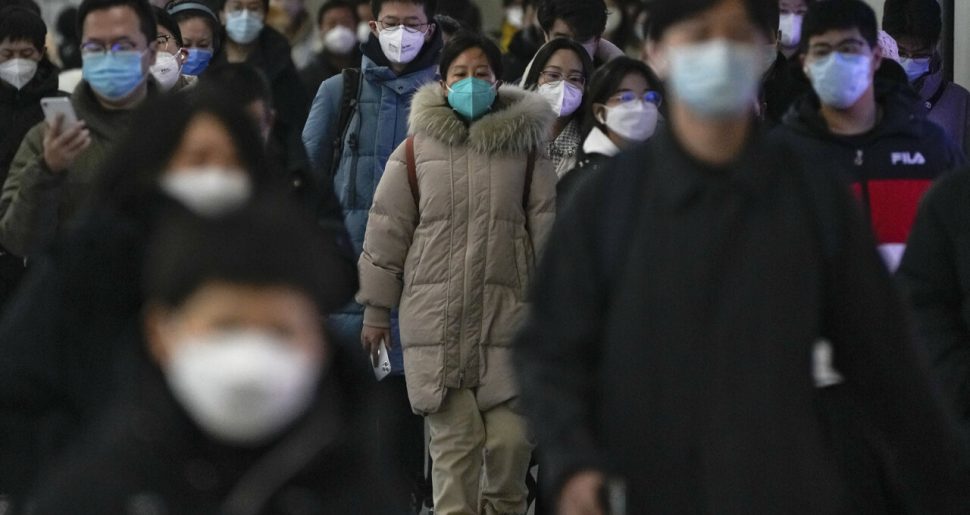
The pandemic has returned to China. Beijing's years of "zero covid policy" and strict lockdowns have not worked. In China, millions of people are infected with the virus every day, and the number has increased so much that Beijing has announced that it will not announce the daily number of patients. According to some sources, about 250 million people have been infected with covid in China in the last 20 days. Covid has spread faster in the capital Beijing and Shanghai. Hospitals are full. According to CNN, the number of deaths in China has also increased. According to Chinese virologists, the current covid is different from the original strain.
The resurgence of the coronavirus in China has scared neighboring countries. The Indian government urged the population to be careful. Meanwhile, the recent incident at the China-India border has sparked serious debate in Delhi. During the debates in the Indian Parliament, the opposition in the form of the "Indian National Congress" criticized the government's policies. According to the representatives of the opposition, the government cannot ensure the security of the country. The opposition called on the government to review relations with Beijing. However, the "Indian National Congress", which was in power for many decades, had close ties with China.
The government does not accept criticism from the opposition. The Indian government has deployed quite large military units on the border with China. Starting from 2020, China has gathered a large number of troops on the mountainous part of the border with India. Delhi has not left Beijing's policy unanswered.
The situation on the border is likely to escalate again at any moment. A small conflict can lead to a big war. Nevertheless, contacts between the Chinese Communist Party and the ruling Bharata Janata Party of India continue. This is what upsets the Indian opposition.
The widespread spread of the pandemic does not hinder the plans of the great powers. The border clash between China and India two years ago coincided with the days of the widespread spread of covid.


About us

"Atlas" Research Center was founded in Baku in 2003 by a group of political experts. The head of the center is political analyst Elkhan Sahinoglu.

Counter

Login
Today
Umumi 1924097
en_USEN